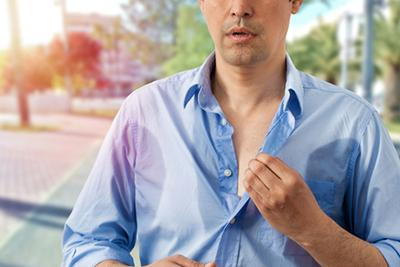
Waking up soaked in sweat can feel alarming, especially when it happens repeatedly without an obvious cause. At Anders Dermatology in Toledo, OH, we help patients understand when excessive sweating at night reflects a benign trigger and when it signals a condition that deserves medical evaluation. Clear assessment allows appropriate treatment and peace of mind.
What Counts as Night Sweats
Night sweats involve episodes of excessive sweating that drench sleepwear or bedding and occur despite a cool sleeping environment. Occasional perspiration after exercise, spicy food, or a warm room differs from night sweats that point to an underlying issue. When sweating disrupts sleep or recurs over weeks, it becomes clinically relevant.
Common Dermatologic and Physiologic Causes
Several factors can drive excessive sweating at night. Primary hyperhidrosis causes overactive sweat glands without an underlying illness and can affect sleep. Hormonal fluctuations also play a role, including thyroid imbalance or changes related to stress. Certain medications increase sweating by stimulating sweat glands or altering temperature regulation. Skin infections and inflammatory conditions can contribute as well, particularly when associated with itching or redness.
When Night Sweats Suggest a Medical Issue
Persistent night sweats may reflect systemic conditions rather than a skin-only concern. Infections, autoimmune disease, and metabolic disorders can present with nocturnal sweating alongside other symptoms such as fever, weight change, fatigue, or enlarged lymph nodes. Identifying accompanying signs helps determine the next steps in evaluation.
How We Evaluate Excessive Sweating
Our evaluation begins with a detailed history focused on timing, severity, triggers, and associated symptoms. We assess the skin for signs of infection or inflammation and review medications and personal health history. When findings suggest a non-dermatologic cause, we coordinate appropriate referrals or testing to ensure comprehensive care.
Treatment Options That Improve Sleep
Treatment depends on cause and severity. For hyperhidrosis, topical therapies or prescription treatments help reduce sweat production. Adjusting medications or addressing hormonal imbalance can resolve symptoms when those factors apply. Skin-directed care remains important to prevent irritation, infection, and odor that can accompany frequent sweating.
Practical Steps While You Seek Care
Simple measures can reduce discomfort while evaluation proceeds. Lightweight bedding, breathable sleepwear, and temperature control help limit moisture. Gentle skin care prevents irritation. These steps support comfort but do not replace medical assessment when symptoms persist.
Schedule a Dermatology Visit
If night sweats continue or interfere with sleep, professional evaluation can clarify the cause and guide treatment. Anders Dermatology in Toledo, OH offers thorough assessment and care for excessive sweating concerns. Call (419) 473-3257 to schedule an appointment and discuss next steps for restoring comfortable, uninterrupted sleep.